#b
Books
Reading captures enriched through Open Library, while each mention retains its own notes.
Anna Karenina
source thought →
Crime and Punishment
source thought →
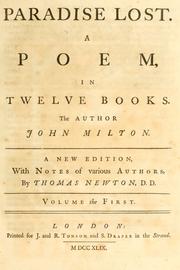
Paradise Lost
source thought →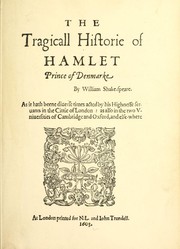
Hamlet
source thought →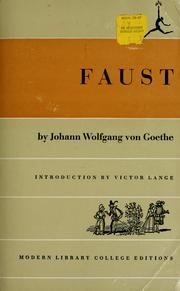
Goethe's Faust
source thought →
The Fountainhead
source thought →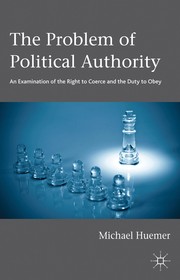
The Problem of Political Authority
source thought →
Anarchy, State, and Utopia
source thought →
The Benedict Option
source thought →
The Gift Relationship
source thought →
Confronting Capitalism
source thought →
Philosophy as a Way of Life
source thought →
Leisure: The Basis of Culture
source thought →
The Tacit Dimension
source thought →Personal Knowledge: Towards a Post-Critical Philosophy
source thought →
Seeing Like a State
source thought →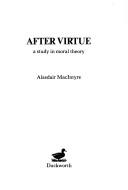
After Virtue
source thought →
A Secular Age
source thought →
The Servile State
source thought →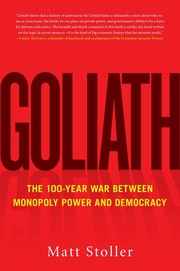
Goliath: The 100-Year War Between Monopoly Power and Democracy
source thought →The New Spirit of Capitalism by Luc Boltanski and Eve Chiapello
source thought →
The New Spirit of Capitalism
source thought →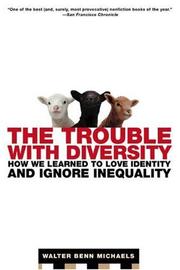
The Trouble with Diversity
source thought →
the class matrix
source thought →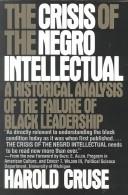
The Crisis of the Negro Intellectual
source thought →
Fear and Trembling
and the pseudonymous authorship is about a self that already knows what it's called to but lacks the courage — the "leap" — to inhabit it. Becoming a Christian, for him, is not acquiring new information; it's becoming the kind of person who can bear what one already knows. Rilke in
source thought →
Letters to a Young Poet
writes as though the vocation is already inside Franz Kappus, and the question is only whether he can become large enough to hold it. "Go into yourself. Find out the reason that commands you to write." The conclusion is pre-given; the life is the ripening. Augustine's
source thought →
Confessions
is structured retrospectively — the whole narrative is written from the conclusion backward. Every wandering is already pointed toward the rest in God that the opening sentence announces. "Our heart is restless until it rests in thee" is a spoiler for the next four hundred pages. Nietzsche inverts it and makes it harder: *amor fati* and the eternal recurrence are tests of whether you can will the conclusion you've already been living. "Become who you are" assumes the who is there; the becoming is the courage. Eliot's
source thought →
Four Quartets
— "In my end is my beginning" — is the poetic compression of the whole idea. The darker version is Kafka, where the conclusion is known, the courage is absent, and the skills never arrive.
source thought →
The Castle
is a life spent working up to a conclusion that keeps receding. Given your reading, Eckhart is probably the one who would say the conclusion was never in the future at all — the ground was always already there, and the "working up" was learning to stop adding to it.
source thought →On The Way to Language
source thought →
Ten Philosophical Mistakes
source thought →
Poetry, Language, Thought
source thought →
The Cambridge Companion to Wittgenstein
source thought →
What's the Use of Truth
source thought →
Abstract Algebra
source thought →
Being and Time
source thought →
Critique of Pure Reason
source thought →
A Treatise of Human Nature
source thought →
The Character of Physical Law
source thought →
The Golden Bough
source thought →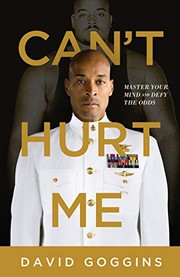
Can't Hurt Me
source thought →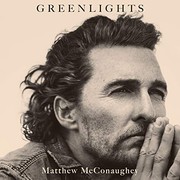
Greenlights
source thought →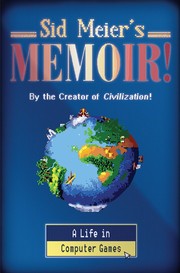
Sid Meier's Memoir!
source thought →
Staff Engineer
source thought →
The Meaning of it All
source thought →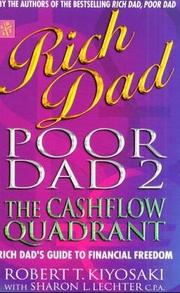
Rich Dad Poor Dad
source thought →
Economics in One Lesson
source thought →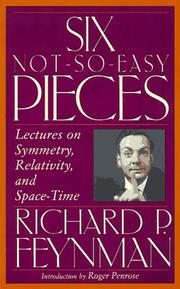
Six Not-So-Easy Pieces
source thought →
Six Easy Pieces
source thought →
Think and Grow Rich
source thought →
The Holy Bible
source thought →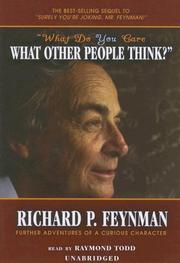
What Do You Care What Other People Think?
source thought →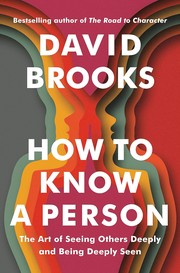
How to Know a Person
source thought →
Debt
source thought →
Meister Eckhart
source thought →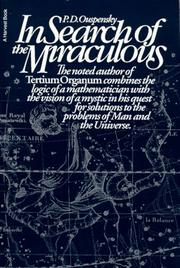
In Search of the Miraculous
source thought →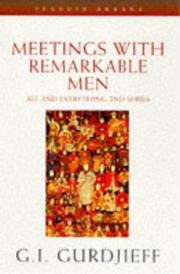
Meetings with Remarkable Men
source thought →
A History of Western Philosophy
source thought →
Metaphysics
source thought →
Discourse on Thinking
source thought →
The Question Concerning Technology
source thought →
A Kierkegaard anthology
source thought →Thus Spoke Zarathustra
source thought →
The Birth of Tragedy
source thought →
For the New Intellectual
source thought →
The Virtue of Selfishness
source thought →
Nicomachean Ethics
source thought →Beelzebub's Tales to His Grandson
source thought →